Service 1
Landscaping

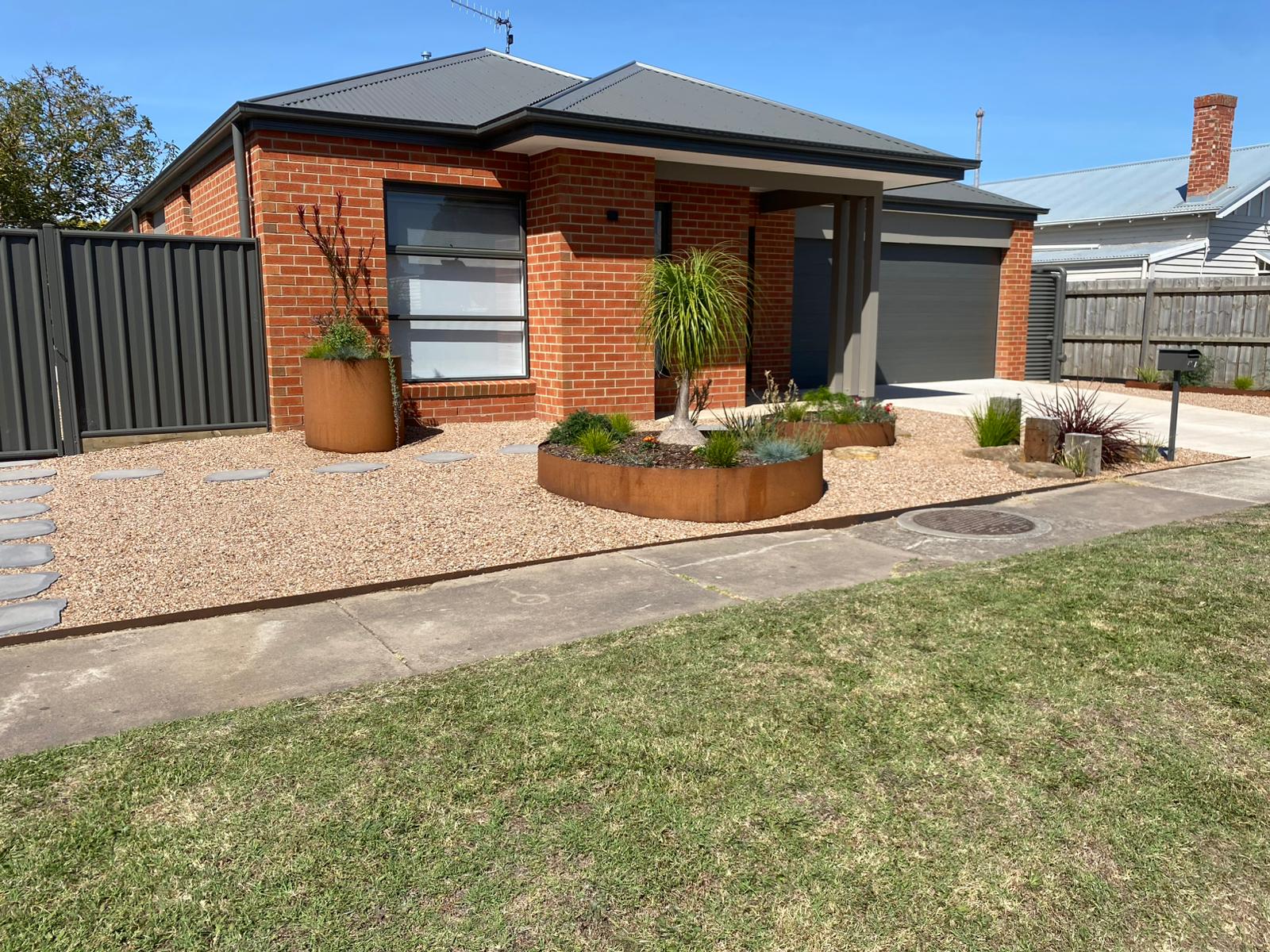
Landscapes are more than just open stretches of land; they are living canvases shaped by nature and human vision. Rolling hills, lush gardens, and structured outdoor spaces all play their part in creating a sense of place. They influence how we feel when we step outside, whether it’s the calm of a garden or the grandeur of mountain views. The design of a landscape impacts our everyday experiences in subtle ways. Every choice of plant, stone, or pathway contributes to the final impression. A well-crafted landscape can turn ordinary ground into something extraordinary.

Throughout history, landscapes have reflected culture, heritage, and identity. Ancient civilizations shaped gardens and fields not only for survival but also for beauty and meaning. Japanese gardens, for instance, reflect harmony and balance, while European estates showcase grandeur and power. Each style represents the values and priorities of the people who created it. The connection between human expression and natural surroundings is timeless. Even in modern times, landscapes remain a blend of artistry and practicality.

In contemporary design, landscapes are carefully planned to merge beauty with functionality. Designers consider soil type, local climate, and natural features to build sustainable environments. It’s not just about how a space looks but also how it works for those who use it. A backyard may become a family gathering place, while a park serves as a community hub. These decisions shape how people interact with outdoor spaces. A thoughtful design ensures the land continues to thrive alongside human activity.

Landscapes also play a vital role in environmental health and sustainability. Trees filter the air, green spaces reduce heat, and water features encourage balance in local ecosystems. Carefully chosen plants can reduce water use and support native wildlife. Properly built retaining walls prevent soil erosion and protect properties from damage. Every element serves both an aesthetic and functional purpose. A strong landscape design is as much about preserving nature as it is about showcasing it.

The emotional benefits of landscapes are equally powerful. A garden bursting with flowers can uplift moods, while quiet courtyards encourage peace and reflection. Landscapes give people a chance to pause, breathe, and reconnect with the natural world. Studies even show that green environments improve mental health and reduce stress. Outdoor beauty adds value not just to property but to human well-being. It reminds us that our surroundings deeply affect how we feel each day.

Looking ahead, landscapes will continue to evolve with changing lifestyles and technology. Modern trends emphasize sustainability, smart irrigation systems, and multi-use outdoor areas. As cities expand, the need for green spaces becomes even more critical. Landscapes will be designed to balance urban growth with ecological care. Homeowners will also continue investing in personal outdoor spaces that reflect their style. No matter the setting, landscapes will always be central to how we live, relax, and connect with the world around us.

Service 2 Image
Decking

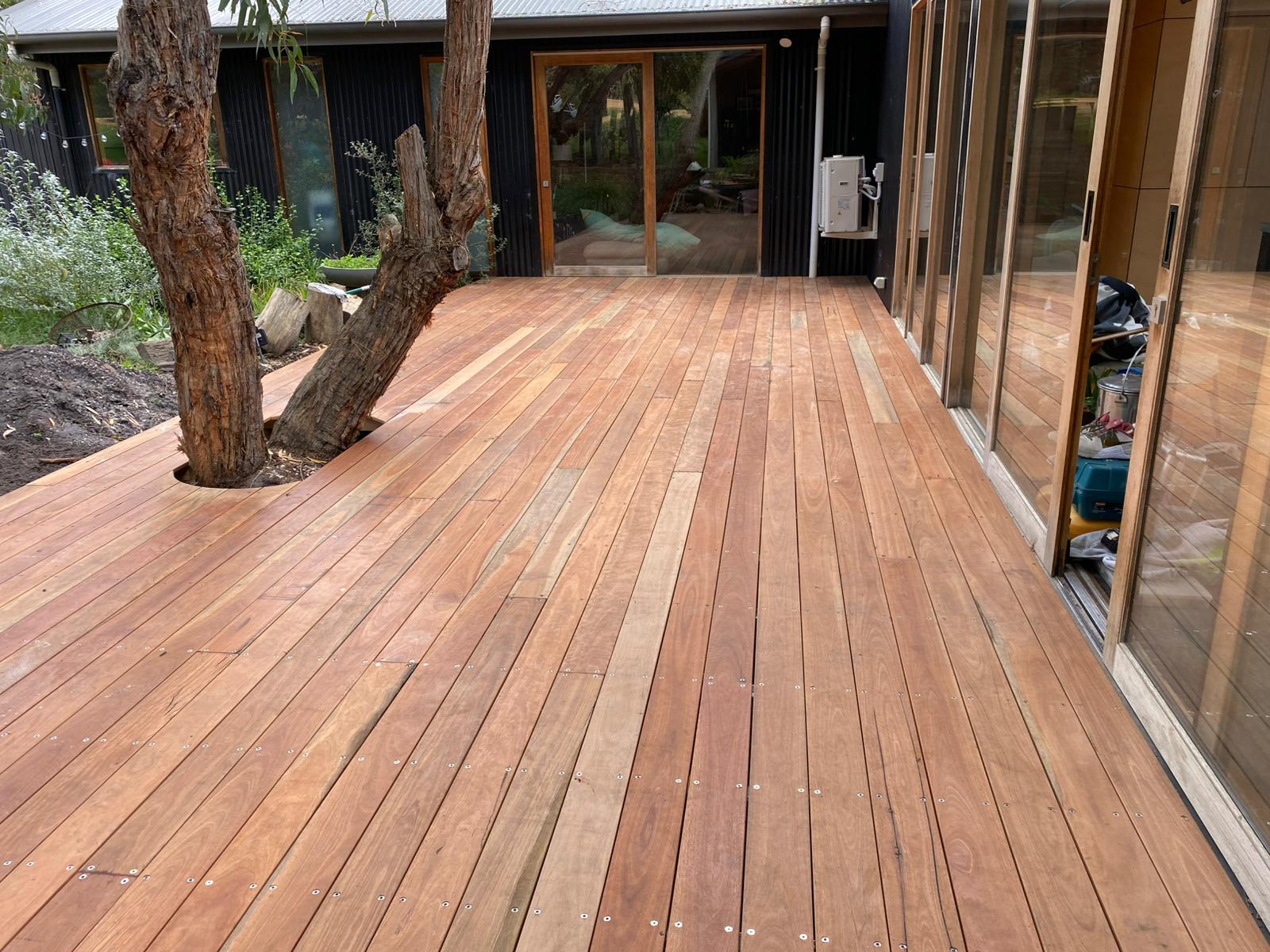
Decking has become one of the most popular ways to extend living space outdoors. A well-designed deck creates a smooth transition between home and garden, making it easier to enjoy the best of both worlds. It can serve as a quiet place for relaxation, a social hub for gatherings, or a functional area for everyday use. Homeowners appreciate its versatility and the value it adds to their property. With countless design options available, no two decks need to look the same. Each project can reflect the personal taste and lifestyle of its owner.

The materials chosen for decking play a huge role in its appearance and performance. Timber decks remain a timeless option, offering natural beauty and warmth. Composite boards, on the other hand, provide durability with minimal maintenance. Some people even mix materials for a unique look that balances aesthetics and practicality. Factors such as climate, usage, and budget influence the best material to choose. Selecting wisely ensures the deck not only looks good but also stands the test of time.

Design is another essential element when creating a deck that feels inviting. Levels, railings, and integrated features like seating or planters can make a simple structure feel special. The orientation of the deck matters too, especially in terms of sunlight, shade, and wind exposure. Clever layouts allow for dining zones, lounging corners, or even outdoor kitchens. Adding lighting can extend usability well into the night. Every decision, big or small, shapes the final atmosphere and functionality.

A well-built deck also has significant lifestyle benefits. It encourages people to spend more time outdoors, enjoying fresh air and open space. Families often find decks become their favorite gathering spot, while homeowners appreciate the extra entertainment area. The versatility of a deck means it adapts to different uses over time. It can host lively summer barbecues or serve as a quiet retreat on peaceful mornings. Few home improvements deliver such a wide range of enjoyment.

Maintenance is an important part of keeping a deck looking and performing its best. Timber may require sealing, staining, or oiling to protect it from weathering. Composite decking is easier to maintain but still benefits from occasional cleaning. Regular inspections help spot issues like loose boards or worn fasteners early. A little care each season extends the deck’s lifespan significantly. With proper upkeep, a quality deck will remain a highlight of any property for many years.

Looking toward the future, decking trends continue to evolve with modern lifestyles. Eco-friendly materials, hidden fastener systems, and modular designs are gaining popularity. Homeowners are investing in larger decks with built-in features that blur the line between indoors and outdoors. Technology is also playing a role, with weather-resistant lighting and integrated sound systems becoming common. These innovations ensure decking remains both stylish and practical. No matter the design, a well-crafted deck is always an investment in comfort and value.

Service 3
Paving

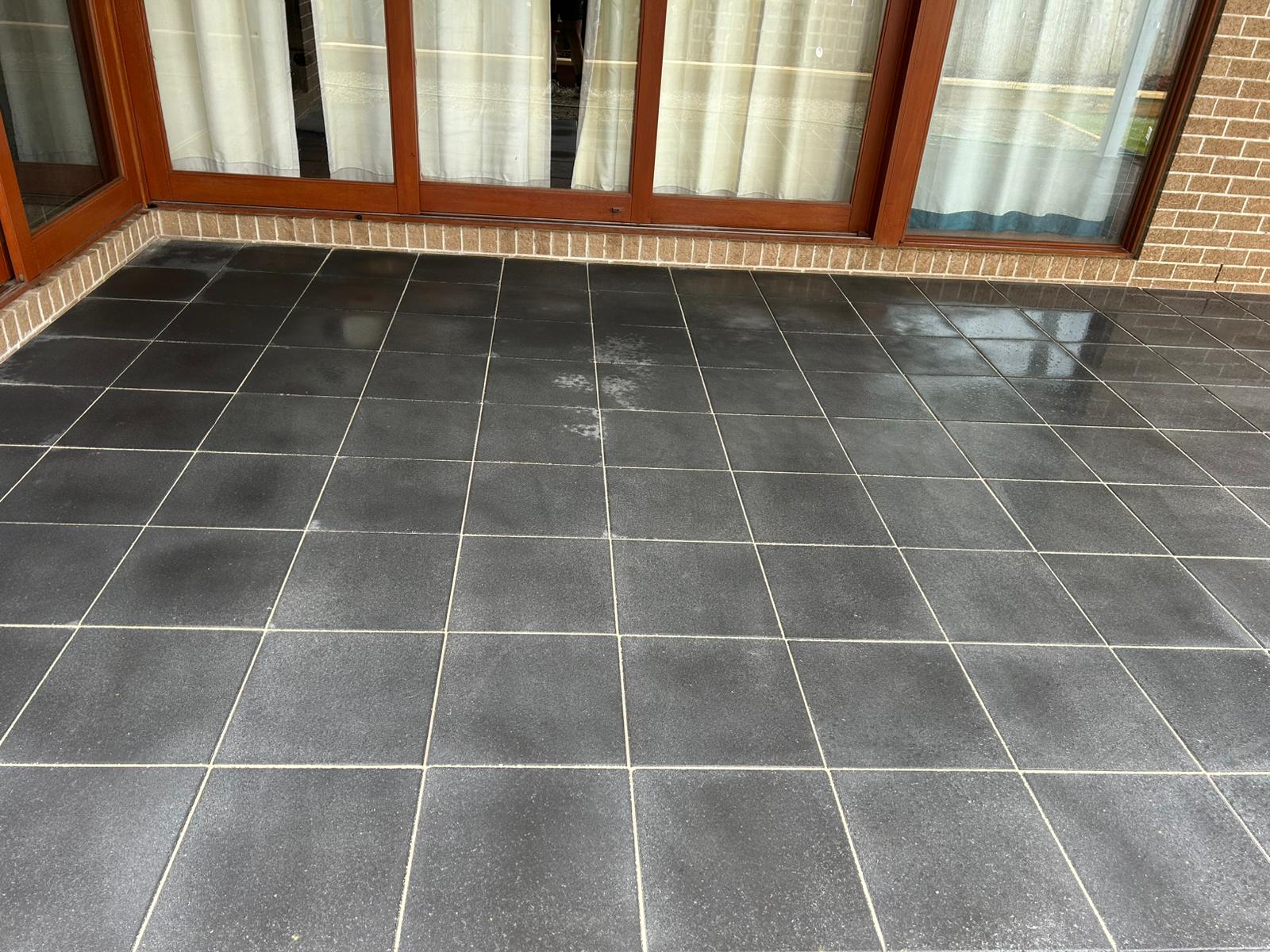
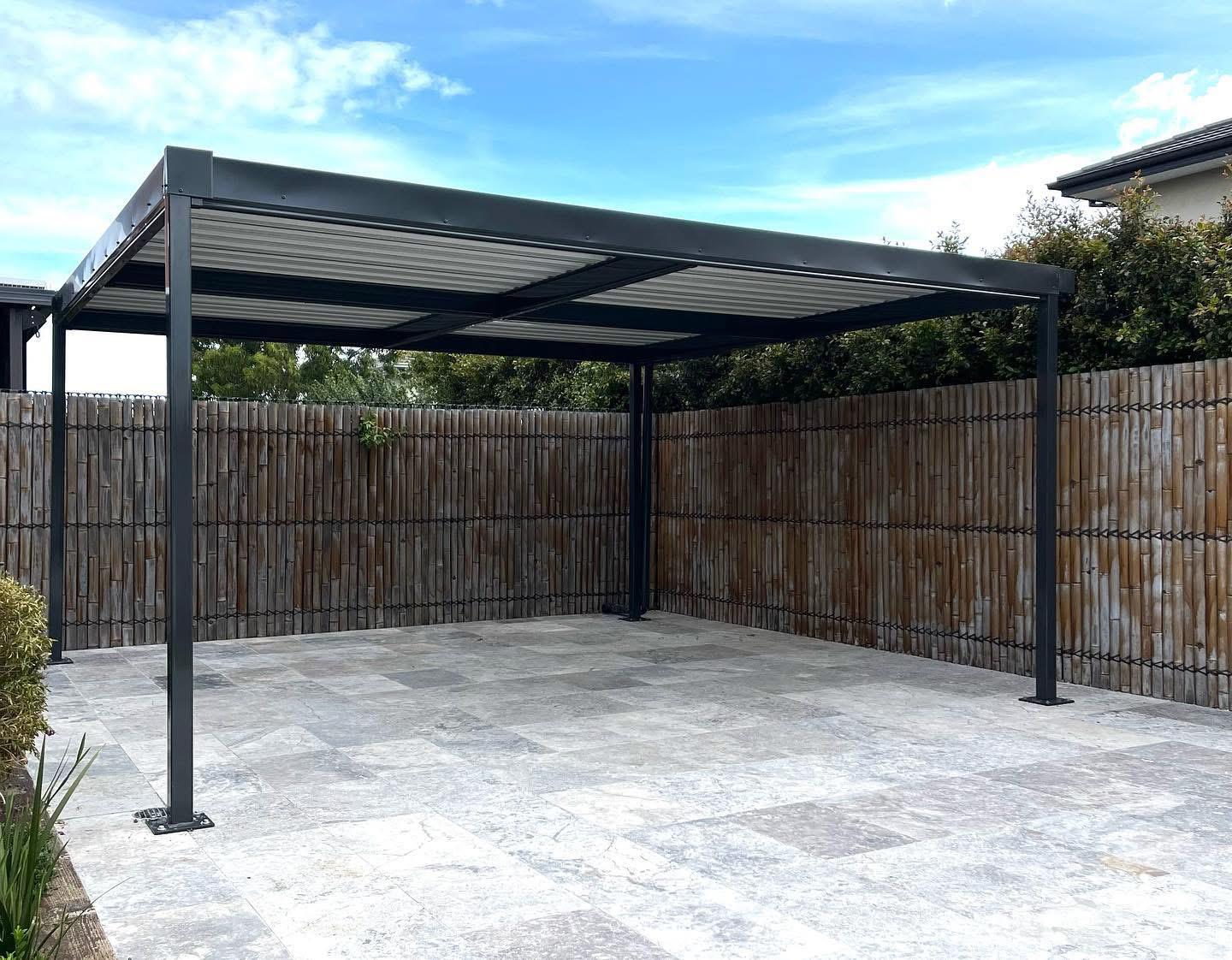
Paving is one of the most effective ways to transform an outdoor space into something practical and attractive. Whether it’s a driveway, garden path, or patio, paving provides structure and style. A well-paved area not only improves access but also enhances curb appeal. The variety of textures, patterns, and finishes available today makes it easy to achieve unique results. From sleek modern looks to rustic charm, paving can suit any type of property. It is both a design element and a functional investment.

The choice of material plays a vital role in how paving performs over time. Concrete, brick, stone, and porcelain each offer distinct qualities in terms of appearance and durability. Natural stone often adds elegance and individuality, while brick paving creates a classic, timeless feel. Concrete offers versatility with decorative finishes and colored options. Porcelain is becoming more popular for its sleek look and low-maintenance benefits. Selecting the right material ensures lasting value and beauty.

Designing the layout of paving is as important as selecting the materials. Patterns like herringbone, basketweave, or running bond can add character and visual interest. Borders and edging define areas while creating a polished finish. The slope and gradient must be planned carefully to ensure proper drainage. Integrating lighting, planters, or seating areas can elevate the overall design. A well-thought-out plan ensures the paved area feels intentional, functional, and cohesive with the rest of the landscape.

Beyond aesthetics, paving delivers significant practical advantages. It provides safe and stable surfaces for walking, driving, or entertaining. Properly installed paving reduces mud, dust, and erosion, keeping outdoor spaces clean and manageable. It can also improve accessibility for children, elderly residents, or anyone with mobility needs. A paved area makes outdoor living more convenient throughout the year. These practical benefits are why paving remains a cornerstone of landscape design.

Maintenance plays a big role in keeping paving at its best. Regular sweeping prevents weeds and dirt from settling in joints. Occasional pressure washing can refresh colors and textures, restoring the surface’s original look. Some materials may require sealing for added protection against stains and weathering. Proper care ensures paving remains safe and appealing for years. With the right upkeep, even heavily used surfaces retain their strength and charm. A little attention goes a long way.

Looking ahead, paving continues to evolve with design and technology. Permeable paving solutions are gaining popularity for their eco-friendly benefits, allowing water to drain naturally and reduce flooding risks. Homeowners are also experimenting with bold colors, geometric patterns, and mixed materials. Advances in installation techniques are making paving more efficient and precise. As lifestyles shift toward outdoor living, paving remains central to creating spaces that blend beauty and function. The future of paving is both sustainable and stylish.

Service 4
Hardscapes

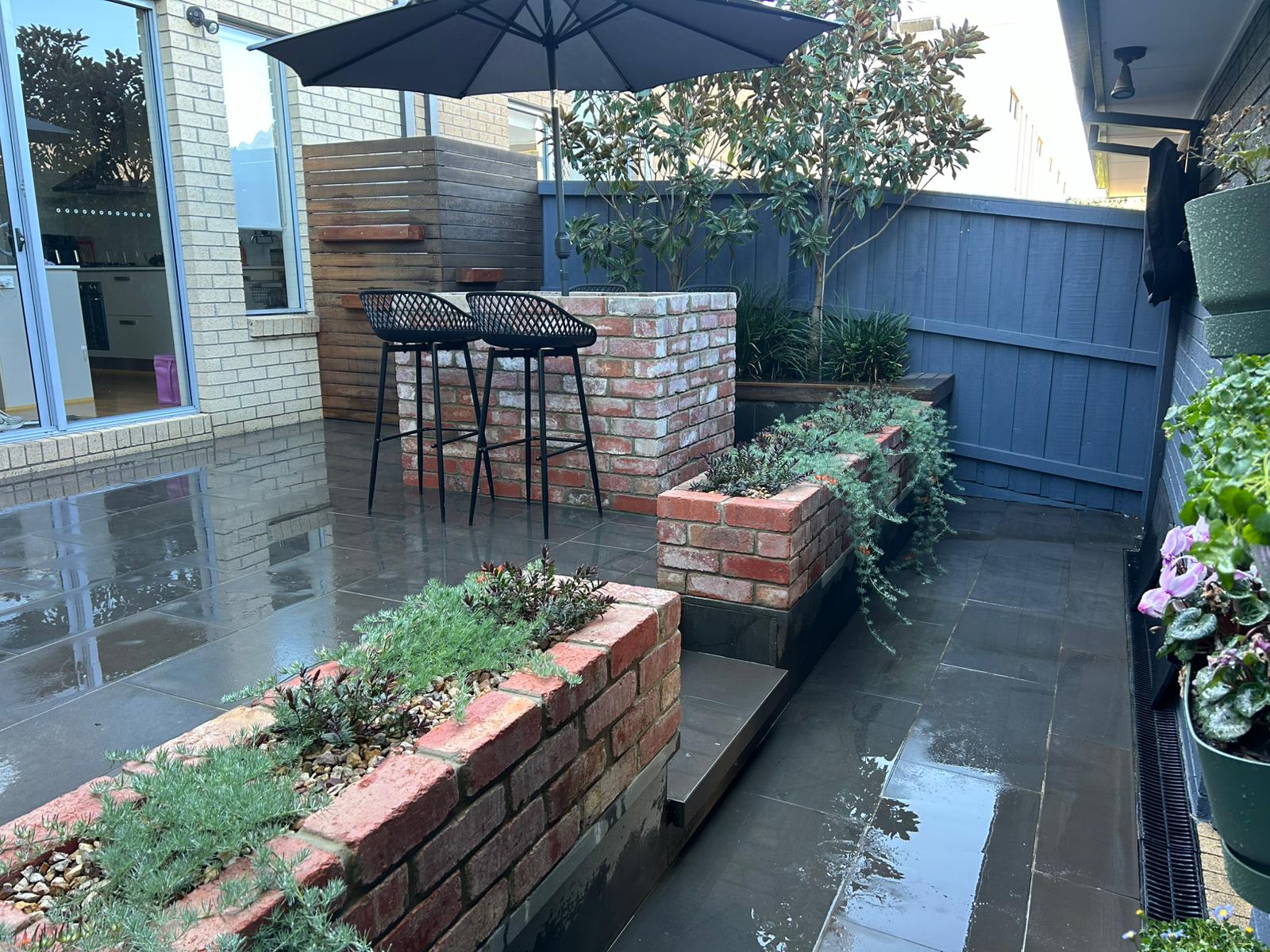
Hardscapes are the backbone of any well-designed outdoor space, providing structure, balance, and long-lasting appeal. Unlike softscapes, which focus on plants and greenery, hardscapes bring in the solid features that define a yard. Pathways, patios, retaining walls, and stone features all contribute to a sense of permanence. They anchor the design, making outdoor spaces not only beautiful but also functional. Without hardscapes, a landscape often lacks the stability and structure it needs. They create the foundation upon which everything else thrives.

The beauty of hardscapes lies in their versatility. Materials such as stone, brick, timber, and concrete can be shaped into endless forms and styles. Rustic cobblestones create timeless charm, while smooth concrete offers sleek, modern appeal. Natural stone steps add elegance, and brick borders provide definition to garden beds. The choice of material allows homeowners to match their outdoor spaces with their personal style. Each hardscape feature tells a story of both strength and character.

Design plays a critical role in ensuring hardscapes blend seamlessly with the rest of the property. Placement, scale, and proportion must be carefully considered for balance and harmony. A wide patio might be perfect for entertaining, while a narrow pathway guides movement naturally. Incorporating curves or patterns can soften the look and add visual interest. Good design also considers sunlight, shade, and the flow of movement. When planned thoughtfully, hardscapes enhance both function and beauty.

Beyond aesthetics, hardscapes bring important practical benefits. Retaining walls manage sloped areas and prevent erosion. Paved surfaces reduce mud and dust, keeping outdoor spaces clean and usable. Walkways improve safety and accessibility, while patios provide durable gathering spaces. Features like fire pits or outdoor kitchens extend the living area and create year-round enjoyment. These elements are more than decorative — they improve the way people live and interact with their outdoor spaces.

Maintenance is another reason hardscapes remain a smart investment. Unlike lawns or gardens that require constant care, most hardscape features are low-maintenance. Stone and concrete are built to withstand weather and wear, needing only occasional cleaning. Sealing or treating materials can further protect them from stains and moisture. Regular upkeep ensures longevity without consuming much time or effort. This durability makes hardscapes a cost-effective choice for homeowners who want beauty with minimal hassle.

Looking ahead, hardscape trends are evolving with modern lifestyles. Sustainable materials, permeable pavers, and eco-friendly finishes are gaining popularity. Designers are also incorporating multi-purpose features, like seating walls that double as planters or lighting built into steps. Homeowners are embracing outdoor living, and hardscapes are at the center of that transformation. They create spaces that feel like an extension of the home itself. With careful planning and quality craftsmanship, hardscapes continue to redefine outdoor living for the future.
Service 5
Handyman Services

Handyman services provide the convenience of solving everyday repair and maintenance tasks with professional care. From fixing doors to assembling furniture, these services cover a wide variety of needs. Homeowners often find that small jobs add up quickly, and having a skilled expert makes all the difference. A reliable handyman saves both time and effort by handling tasks efficiently. Instead of juggling tools and instructions, people can trust professionals to get the job done right. It’s about making life simpler while keeping homes in top condition.

The versatility of handyman work is what makes it so valuable. Unlike specialized contractors who focus on one area, handymen can tackle multiple projects in a single visit. This might include repairing drywall, installing shelves, or adjusting hinges that no longer sit straight. The ability to handle diverse tasks makes them a go-to solution for busy households. Whether indoors or outdoors, handyman services bring flexibility. This adaptability ensures that even the smallest details around the house are not overlooked.

Quality is an important aspect of any handyman service. A skilled professional approaches every task with precision and care, no matter how minor it may seem. Fixing a leaking tap or repairing a fence might sound simple, but when done properly, these jobs prevent bigger problems later. Attention to detail and proper tools make all the difference. The focus is always on durability, ensuring that repairs and installations last. Customers value this dependable approach that combines efficiency with long-term results.

Another benefit of handyman services is the cost-effectiveness they offer. Instead of hiring multiple specialists, a single handyman can cover a wide range of tasks. This keeps expenses manageable while still delivering quality work. For families, it means sticking to budgets without sacrificing results. For property owners, it means maintaining investments without excessive costs. Affordable service paired with reliable outcomes makes handymen a practical choice. It’s the kind of value that households appreciate year after year.

Convenience is also a major reason people turn to handyman services. Booking is often quick, and scheduling can be arranged to suit busy routines. Handymen arrive prepared, ready to work with minimal disruption to daily life. Tasks that linger on a to-do list can be checked off in just a few hours. The simplicity of the process removes stress and frustration for homeowners. Having trusted support readily available provides peace of mind for any household.

As lifestyles continue to evolve, handyman services are adapting to meet new needs. From installing smart devices to setting up outdoor features, their role is expanding. More households are relying on them not just for repairs but also for upgrades and improvements. The demand for trusted, multi-skilled professionals continues to rise. Handymen are no longer seen as just fixers — they are partners in maintaining and improving living spaces. Their versatility ensures they will remain essential in the modern home.

Service 6
Concreting

Concreting is one of the most versatile and durable construction methods used in modern building projects. From driveways and footpaths to patios and slabs, concrete provides the strength and stability every property needs. Its adaptability makes it a go-to material for both residential and commercial work. With the right finish, concrete is more than functional—it becomes a feature of the design. Its balance of durability and style makes it essential for long-lasting results. Few materials can match its proven track record in construction.

The strength of concrete lies in its composition. A mixture of cement, water, and aggregates creates a material that can withstand heavy loads and weather extremes. Advances in technology have introduced additives that improve flexibility, reduce cracking, and extend life. This ensures projects maintain their form and function over time. Reinforced concrete adds even more strength for larger builds. The science behind concreting makes it one of the most reliable choices for structural integrity.

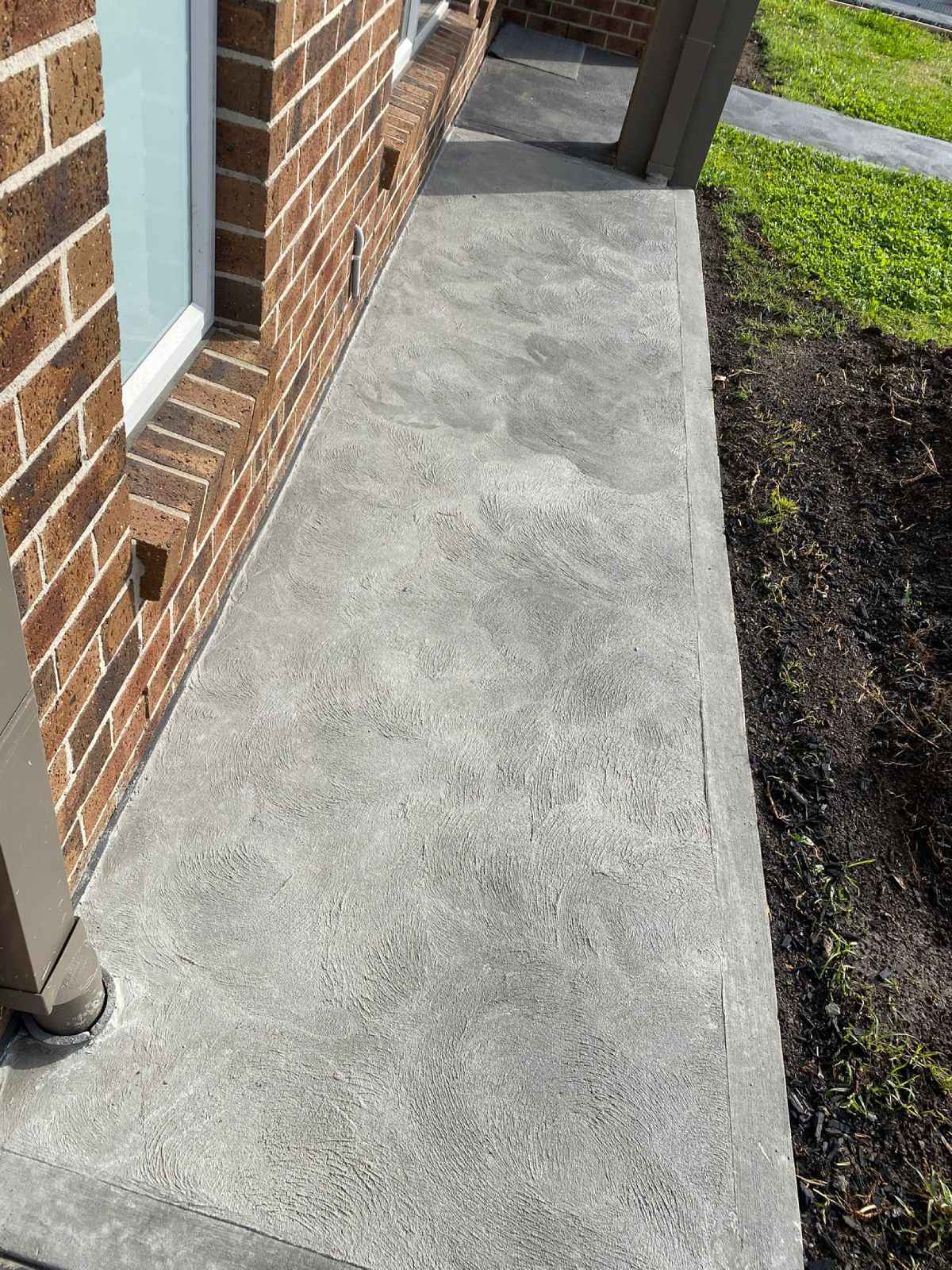
Concrete also provides endless design opportunities. Stamped, polished, or colored finishes can transform plain surfaces into stylish features. Patterns replicate the look of stone, brick, or tiles at a fraction of the cost. Exposed aggregate adds texture and character, while smooth finishes give a sleek modern edge. With so many options available, concrete can be customized to suit any property style. Its adaptability bridges the gap between practicality and creativity. This makes it an excellent choice for homeowners who want both function and appeal.

Practicality is another major advantage of concreting. It requires minimal maintenance compared to other building materials. Surfaces are easy to clean, resistant to pests, and capable of handling high traffic. Properly installed and sealed, concrete stands strong against rain, sun, and time. These qualities make it perfect for areas that need to endure daily wear and tear. It’s not just tough—it’s dependable. That reliability is why concrete remains a trusted option for builders worldwide.

Cost-effectiveness also sets concreting apart. While it offers premium strength and versatility, it remains affordable for most projects. Its longevity means fewer repairs and replacements over the years, reducing long-term expenses. Homeowners see it as an investment that pays off with durability and value. Contractors appreciate its efficiency and straightforward installation process. With both short-term savings and long-term benefits, concrete remains unmatched in affordability. It delivers lasting results without compromising quality.

Looking to the future, concreting continues to evolve with sustainable practices and innovations. Eco-friendly blends reduce carbon emissions while still maintaining strength. Permeable concrete allows water to filter through, improving drainage and reducing flooding risks. Decorative techniques keep expanding design possibilities for homeowners and businesses alike. Technology ensures the material will remain relevant for decades to come. Concreting isn’t just a building method—it’s a foundation for modern living. Strong, stylish, and sustainable, it continues to shape the spaces we rely on every day.

Service 7
Door Fitting

Door fitting is more than simply attaching hinges and handles — it’s about ensuring security, style, and functionality in every room of a property. A properly installed door creates smooth movement, enhances privacy, and improves energy efficiency. Whether it’s an entry door, interior door, or sliding option, the fit makes all the difference. Poor installation can lead to gaps, drafts, or difficulty closing. A precise fit provides peace of mind and daily convenience. It is a small detail that carries a big impact.

The process of door fitting requires accuracy and the right set of skills. Measuring frames, trimming edges, and aligning hinges must be done with care to achieve a seamless result. Even the slightest miscalculation can affect how the door operates. Skilled professionals use the correct tools to avoid issues like sticking or uneven gaps. The goal is always to deliver a door that functions perfectly. When done right, the installation enhances both appearance and usability.

Doors also contribute to the overall style of a home or workplace. From traditional wooden doors to sleek modern designs, the choice reflects personal taste and character. Glass panels bring in light and openness, while solid options ensure privacy and security. Handles, locks, and finishes add to the overall aesthetic. The right door fitting ties everything together, creating harmony with the surrounding design. A well-chosen door becomes both a feature and a functional element.

Beyond aesthetics, doors play an important role in comfort and safety. Entry doors are the first line of defense against intruders, making solid installation critical. Interior doors help with sound control, creating quiet spaces for relaxation or work. Energy-efficient fittings reduce drafts and improve insulation, lowering heating and cooling costs. Fire-rated doors, when fitted correctly, offer added protection in emergencies. Function and safety go hand in hand with professional fitting. A door that’s installed properly is one you can rely on.

Maintenance and adjustments are often needed to keep doors working smoothly over time. Hinges may loosen, locks might need tightening, or frames could shift slightly with age. Regular care extends the lifespan of both the door and the fitting. Lubricating hinges, checking seals, and ensuring alignment prevent bigger issues later. A professional fitting at the start reduces the need for frequent repairs. However, ongoing attention ensures long-lasting performance. Investing in correct installation saves time and money in the future.

Looking forward, door fitting continues to evolve with new technology and designs. Smart locks and automated systems are becoming more common in homes and businesses. Sliding and folding doors are gaining popularity for saving space and creating open-plan layouts. Modern materials such as composites bring added durability and style. Each innovation highlights the importance of precise fitting for maximum performance. As trends progress, the role of professional installers remains vital. Quality door fitting ensures both style and reliability for years to come.

Service 8
Retaining Walls

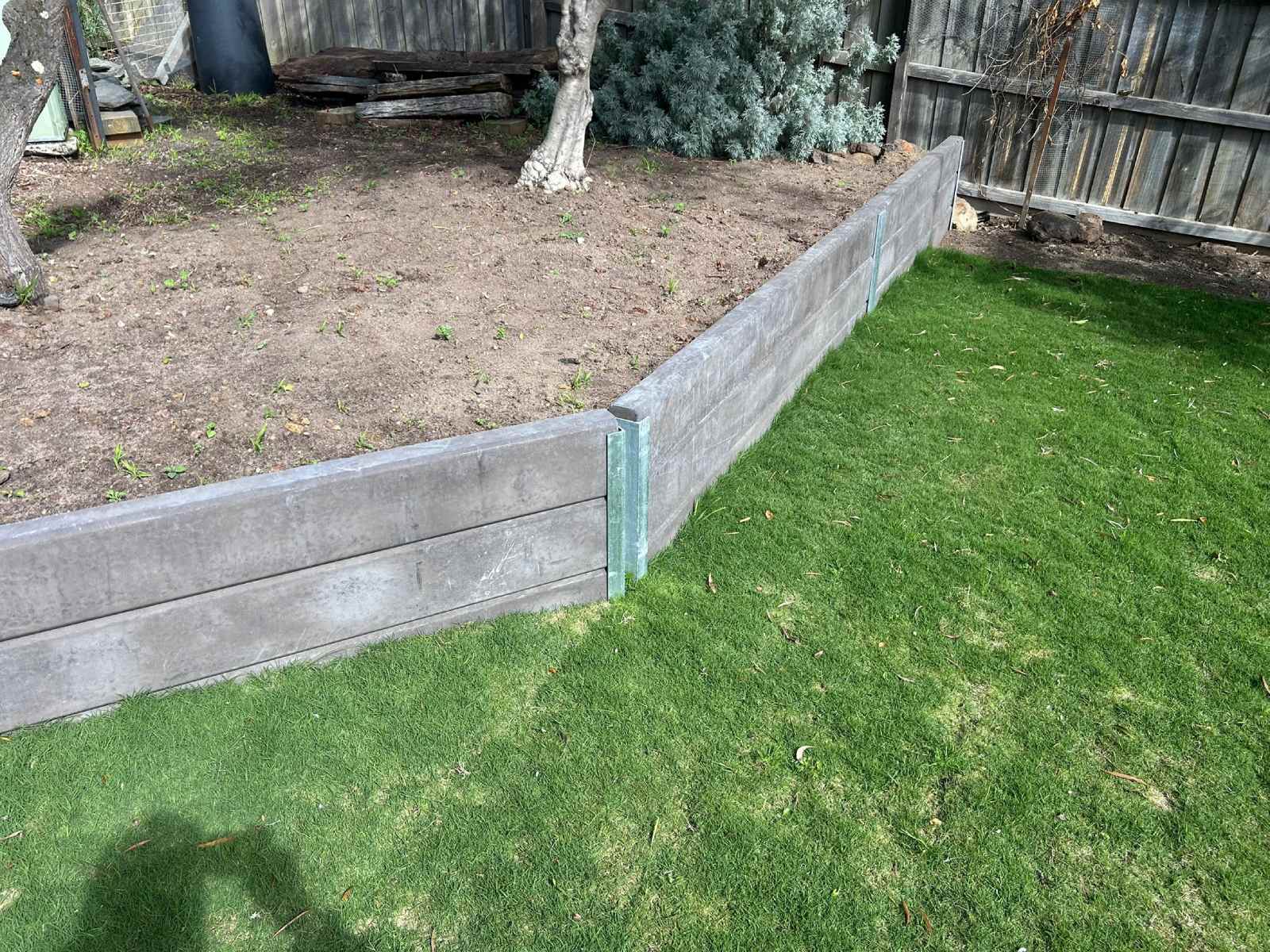
Retaining walls are more than just functional structures — they are essential features that shape and define outdoor spaces. By holding back soil, they create stability on sloped properties and prevent erosion. Beyond their practicality, retaining walls add depth, texture, and character to landscaping. They can transform steep areas into usable terraces, gardens, or seating zones. With the right design, these walls blend seamlessly with the natural surroundings. Their dual role of strength and style makes them invaluable in outdoor construction.

The choice of material has a major impact on both durability and appearance. Concrete blocks provide modern strength, while natural stone delivers timeless elegance. Brick walls offer a classic look, and timber can bring warmth to garden designs. Each option comes with unique benefits suited to different environments and budgets. Material selection also influences maintenance requirements and lifespan. A well-chosen finish ensures the wall complements the overall landscape design. Matching materials with the property’s style creates a cohesive result.

Design and engineering are critical to building effective retaining walls. Height, load-bearing capacity, and drainage must all be carefully calculated. Poor design can lead to leaning, cracking, or even collapse over time. Professional planning ensures the wall withstands pressure while looking visually appealing. Curved designs add elegance, while straight lines deliver a bold and structured feel. Every detail — from alignment to slope — contributes to the final outcome. Precision in planning sets the stage for long-lasting results.

Retaining walls also provide opportunities for creativity. They can incorporate seating areas, built-in planters, or steps for added function. Multi-level terraces bring visual interest and create spaces for gardens or entertaining. Lighting can be integrated to highlight textures and enhance safety at night. Decorative finishes and patterns transform simple walls into standout features. These enhancements allow retaining walls to be more than structural necessities. They become focal points that elevate the overall design of outdoor spaces.

The practical benefits of retaining walls are extensive. They help protect properties by preventing landslides and managing water runoff. By creating level areas, they make previously unusable land functional and safe. Retaining walls also improve accessibility and add value to homes. They are especially beneficial in regions with uneven terrain or heavy rainfall. The strength of these walls ensures long-term protection against soil movement. Homeowners appreciate their ability to solve problems while enhancing curb appeal.

Looking ahead, retaining wall designs continue to evolve with new materials and techniques. Eco-friendly solutions, such as recycled concrete and permeable designs, are becoming more popular. Advances in engineering allow for taller, stronger walls that maintain safety without sacrificing style. Modern finishes offer greater flexibility in matching walls to any architectural theme. The trend is moving toward walls that combine sustainability with beauty. With the right planning, retaining walls will remain essential features for both function and aesthetics.

Service 9
Wall & Screens

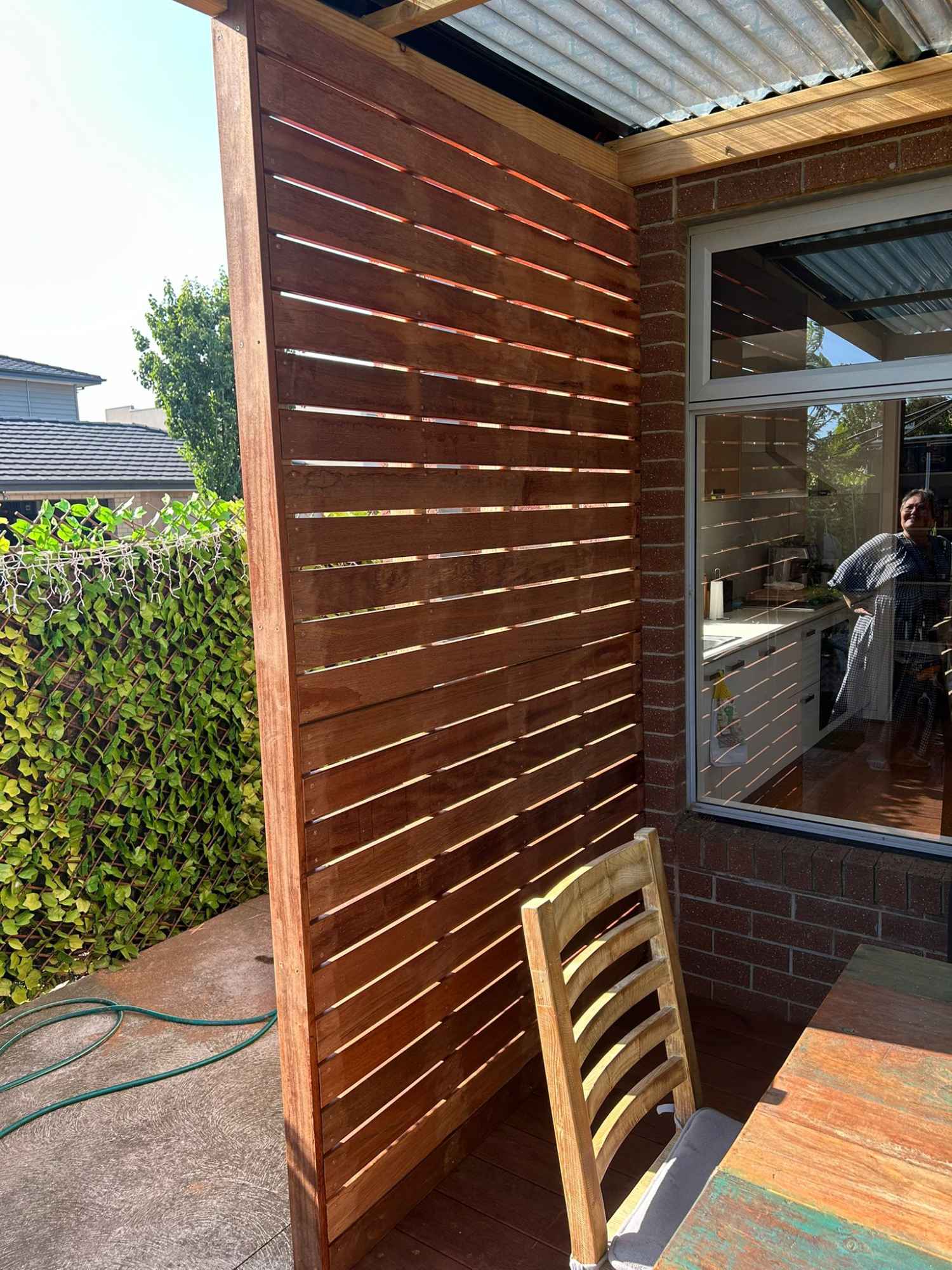
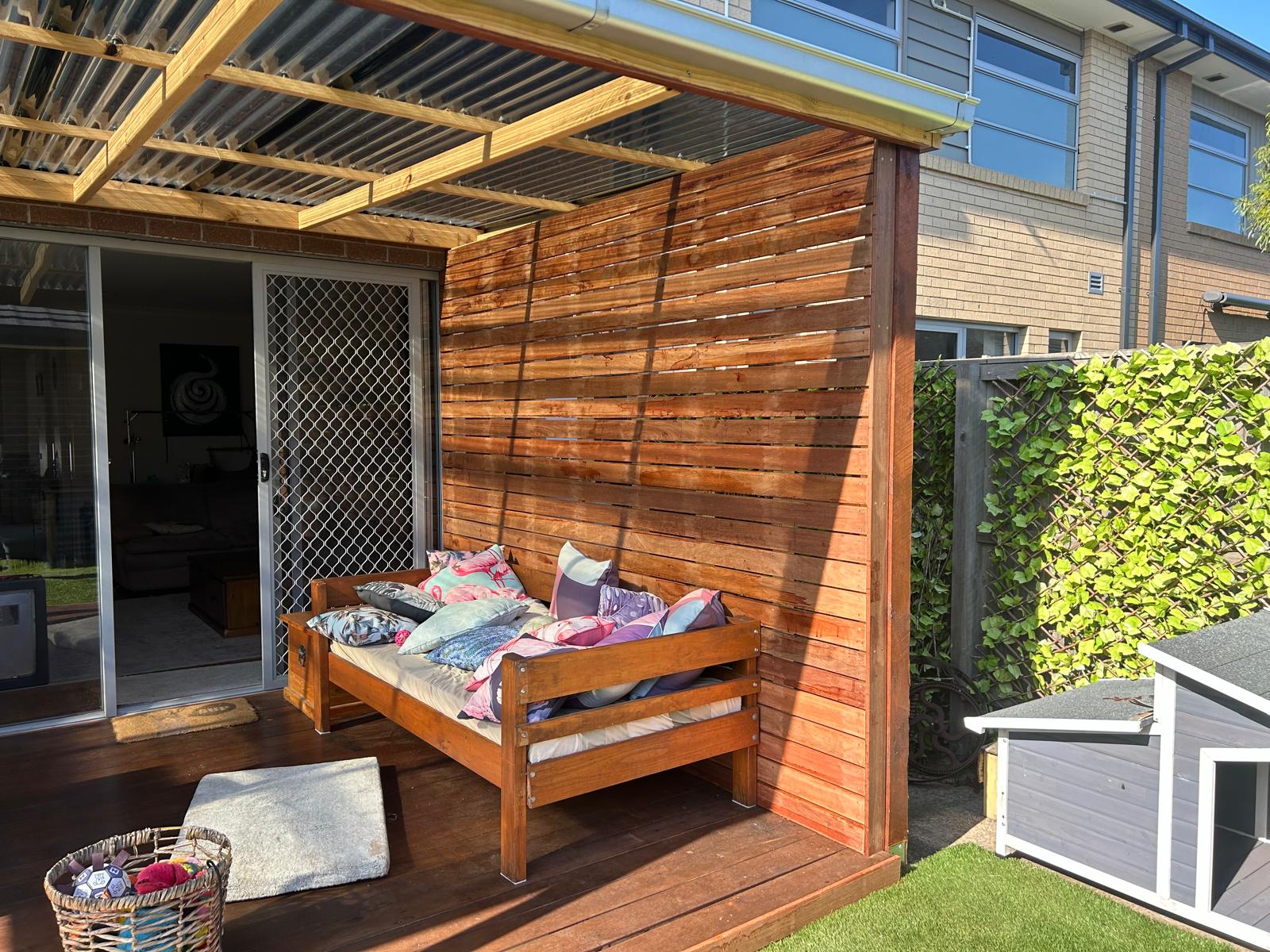
Walls and screens are more than just dividing elements — they bring structure, privacy, and character to outdoor spaces. Whether used to frame a garden, define an entertainment zone, or shield from the street, they set the tone for your property. Modern designs allow these features to serve both decorative and practical roles. A well-placed wall adds security and support, while screens provide airflow and filtered light. Together, they create spaces that feel both open and enclosed.

The versatility of walls and screens makes them suitable for every kind of property. From solid brick to timber slats and metal panels, each material carries its own look and purpose. Screens can soften harsh sunlight while still keeping the view alive, and walls offer durability where strength is needed most. These features can also be adapted to blend seamlessly with existing landscaping. Their ability to suit both classic and modern designs makes them timeless solutions.

Design plays a crucial role in how walls and screens transform an outdoor space. Sleek horizontal lines give a contemporary feel, while textured stone adds natural charm. Decorative laser-cut screens bring an artistic edge, turning simple dividers into focal points. By mixing materials, homeowners can create unique contrasts that add personality. Placement and proportion are equally important to maintain balance. A carefully designed layout ensures flow and enhances usability across the entire area.

Beyond style, walls and screens add valuable functionality to properties. They block unwanted views, reduce noise from nearby streets, and provide wind protection. In gardens, they can create microclimates that support plant growth. Around pools or patios, they improve safety and comfort while maintaining visual appeal. Screens can even be used as climbing structures for greenery, blending nature with design. Their contribution extends far beyond looks, making them key elements of outdoor living.

Durability and low maintenance are additional benefits of well-constructed walls and screens. Brick, stone, and treated timber are built to endure changing weather without losing their strength. Metal and composite screens resist corrosion, offering long-term performance. Occasional cleaning or resealing keeps these structures looking fresh for years. Choosing quality materials ensures that they continue to provide both beauty and security. This balance of resilience and style makes them a smart investment for any property.

Looking ahead, trends in walls and screens are shifting toward creative, sustainable solutions. Homeowners are embracing eco-friendly materials, vertical gardens, and designs that double as art pieces. Multi-functional screens with built-in seating or lighting are becoming increasingly popular. As outdoor spaces evolve into true extensions of the home, these features continue to play a central role. Walls and screens are no longer just barriers — they’re lifestyle elements. They frame, protect, and define spaces, making them both functional and inspiring.